
Loading...
Serving Parkland, FL and surrounding areas. (754) 294-8165
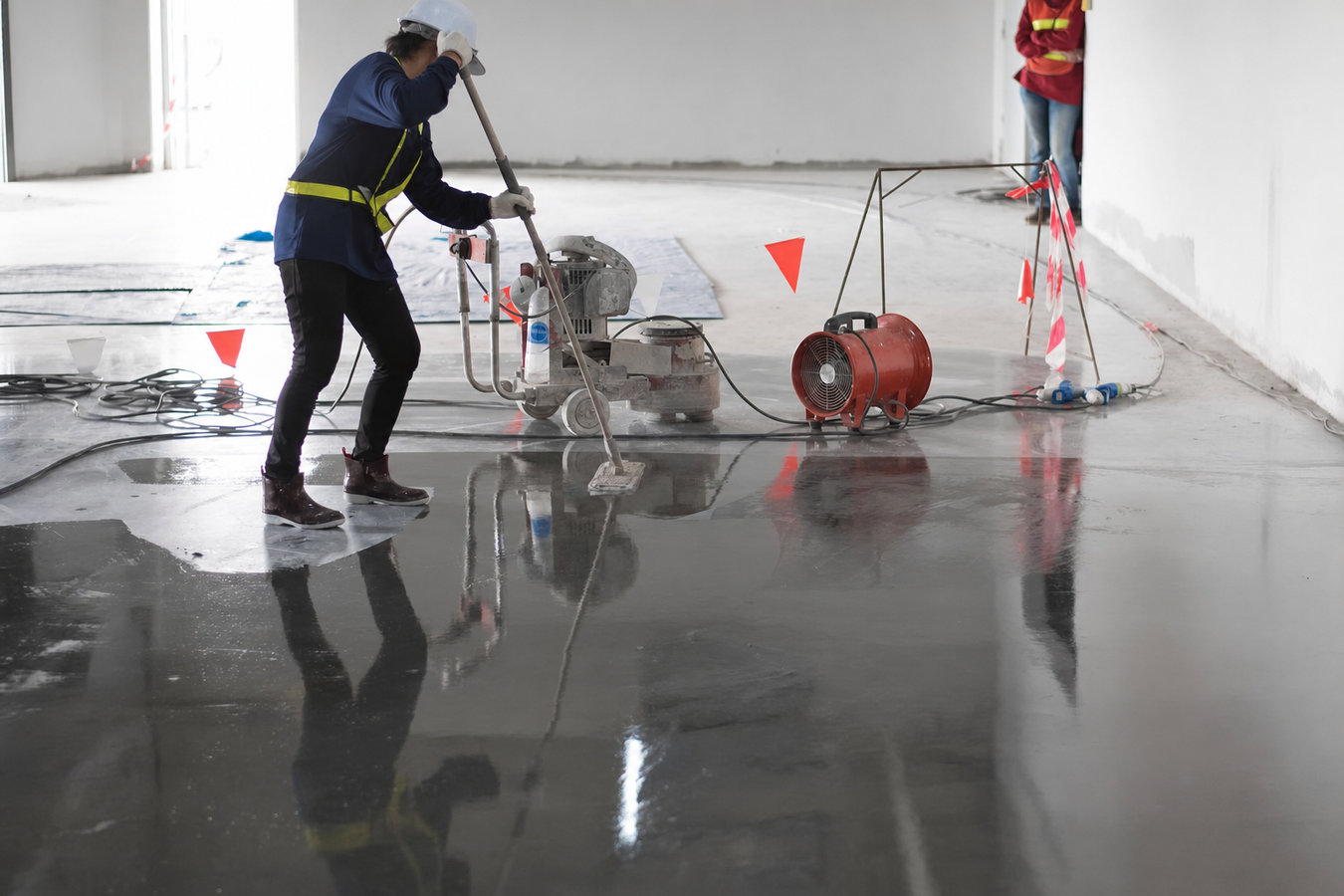
Uneven floors, settled slabs, and failed coatings fixed with materials built for South Florida's moisture and heat. Every slab is tested before we touch it.
Self-leveling concrete in Parkland is a poured material that spreads itself flat, filling low spots and correcting uneven slabs without full demolition. Most jobs in a single room or garage take one to two days, and the surface is ready to walk on within 24 hours of the pour.
Homes built in Parkland during the 1980s and 1990s are now 25 to 40 years old, and many of their slabs have developed settling or surface wear that shows up as a noticeable dip, cracking tile, or flooring that keeps coming loose. Self-leveling concrete fixes the root cause - not just the symptom. If the slab is flat but the surface looks worn or pitted, a decorative overlay alone may be the right answer. Homeowners who need a surface-level fix on a structurally sound slab often benefit from our concrete resurfacing and overlays service instead.
In South Florida, the most critical step is moisture testing before anything is applied. Parkland's high water table means slab moisture is a common issue, and it is the leading reason previous coatings have failed in many homes across this area.
If water pools in one spot on your garage floor after it rains, or a ball rolls on its own across a room, your slab has settled unevenly. This is a common issue in South Florida, where sandy, moisture-rich soil can shift gradually over decades. Self-leveling concrete is designed specifically to correct this without tearing out the whole slab.
When floor coverings crack, pop up, or separate at the seams repeatedly - even after being repaired - the problem is usually the uneven or deteriorating concrete underneath, not the flooring itself. In Parkland homes built in the 1980s and 1990s, this is a clear sign the slab needs to be addressed before any new flooring will hold. Putting new tile over a bad slab just delays the same problem.
If the surface of your garage, patio, or interior concrete looks rough, discolored, or pitted but does not have deep structural cracks, an overlay is likely all you need. You do not have to replace the whole slab - a properly applied overlay gives you a fresh surface at a much lower cost than demolition and pour.
If a previous garage floor coating or overlay is bubbling, peeling, or flaking off, the original installation likely did not address moisture or surface prep properly. This is especially common in Broward County homes where slab moisture was not tested before the first coating was applied. The right fix is to strip the failed coating, address the moisture, and start fresh with a properly prepared surface.
We install self-leveling underlayment for interior floors that have settled or need a perfectly flat base before new flooring goes down. This is the correct fix when your tile contractor says the floor is not flat enough, or when you can feel a dip when you walk across the room. The material spreads itself out flat when poured, bonds to the existing slab, and sets firm within 24 hours. Once cured, it accepts tile, luxury vinyl plank, hardwood, or a decorative finish on top. For surfaces that are flat but need a visual refresh, we apply a thin overlay that gives you a new surface without replacing the slab underneath. Homeowners choosing a pool deck or outdoor patio finish often combine this with pool deck coatings and resurfacing for a complete outdoor refresh.
On every project, we test the slab for moisture before anything is applied. This is not optional in Parkland - the area's high water table means moisture in the slab is a real risk, and it is the most common reason previous overlays have failed. If moisture levels are elevated, we apply a blocking primer coat before the overlay goes down. Homeowners who also need to address the finish on adjoining concrete areas often pair this service with concrete resurfacing and overlays to get a unified look across the whole space.
Suits homeowners renovating or installing new flooring over a slab that has settled, developed low spots, or does not meet flatness tolerances.
Suits homeowners who want a fresh, finished surface on an existing slab without demolition - available in plain, stained, or stamped finishes.
Suits any home in Broward County where a previous coating has failed or where the slab is known to have elevated moisture - includes moisture testing and primer before the overlay.
Suits homeowners who want a clean, durable garage floor finish - whether the current surface is plain concrete, a failed coating, or a slab that has developed surface wear over the years.
Parkland's housing stock is mostly from the late 1980s through the 2000s, which means a large share of the city's slabs are now 25 to 40 years old. Over that span, South Florida's sandy, moisture-saturated soil shifts gradually. Slabs that were perfectly flat when poured develop subtle low spots or settlement. Many homeowners have replaced tile or vinyl flooring multiple times without realizing the slab underneath was the actual problem. The dry season - November through April - is the best time to schedule this type of work, because lower humidity means more consistent curing and better sealer adhesion. Residents in Tamarac and Coconut Creek deal with the same aging-slab conditions and contact us for the same reasons.
HOA communities in Parkland - neighborhoods like Heron Bay and Watercrest - sometimes have guidelines for visible surface finishes on garage floors and pool decks. We ask about your community's requirements during the estimate process so the finish you choose is one the association will approve. The American Society of Concrete Contractors publishes surface preparation standards that inform how we prep and apply every overlay. Permit requirements for structural work in Broward County are managed through the Broward County Building Division, and we handle that process on your behalf when a permit is required.
Tell us what room or area you are dealing with and what the floor looks like right now. We reply within one business day and schedule an in-person visit - no honest contractor can give you an accurate price without seeing the slab.
We check the condition of your existing slab, test for moisture - especially important in Parkland's humid climate - and identify whether self-leveling, an overlay, or a combination is the right fix. You get a written, itemized estimate after the visit.
We grind or clean the floor to give the new material something to grip. If moisture testing came back elevated, we apply a blocking primer first. This prep stage is the most important part of the job, even though it is not the most visible.
The self-leveling material is poured and spreads flat. Once set, any decorative finish or sealer is applied. We tell you exactly when to resume foot traffic - typically 24 hours - and walk the finished space with you before we leave.
Free in-person assessment and written estimate - no obligation. We reply within one business day.
(754) 294-8165Slab moisture is the most common cause of overlay failure in South Florida, and Parkland's high water table makes it a real risk here. We test every slab before we apply anything. If levels are elevated, we address it with a primer coat - not just pour over the problem.
We work regularly on homes built in Parkland during the 1980s and 1990s and know what aging slabs in this area typically look like. Settlement, surface wear, and prior coating failures are common - and the right fix depends on understanding what actually caused the problem.
Many Parkland neighborhoods have HOA requirements for visible surfaces like garage floors and pool decks. We ask about your association's guidelines before recommending a finish, so you do not end up with a redo after approval is denied. We know the kinds of finishes that move through HOA review smoothly in this area.
When a project involves structural slab correction and a permit is required, we manage the process with the Broward County Building Division on your behalf. You do not need to navigate that process yourself. Verify our license status any time through the Florida DBPR.
The result is a floor that stays flat and stays finished - not something you revisit in a couple of years because the root cause was never addressed. That is the standard we hold ourselves to on every project in Parkland and across Broward County.
Restores the look and safety of Parkland pool decks with coatings designed for South Florida's UV intensity and daily wet-dry cycles.
Learn MoreApplies a fresh bonded surface over existing concrete on driveways, patios, and outdoor areas - no tearout required.
Learn MoreDry-season scheduling fills up quickly in Parkland. Contact us today and lock in your project before availability closes.