
Loading...
Serving Parkland, FL and surrounding areas. (754) 294-8165
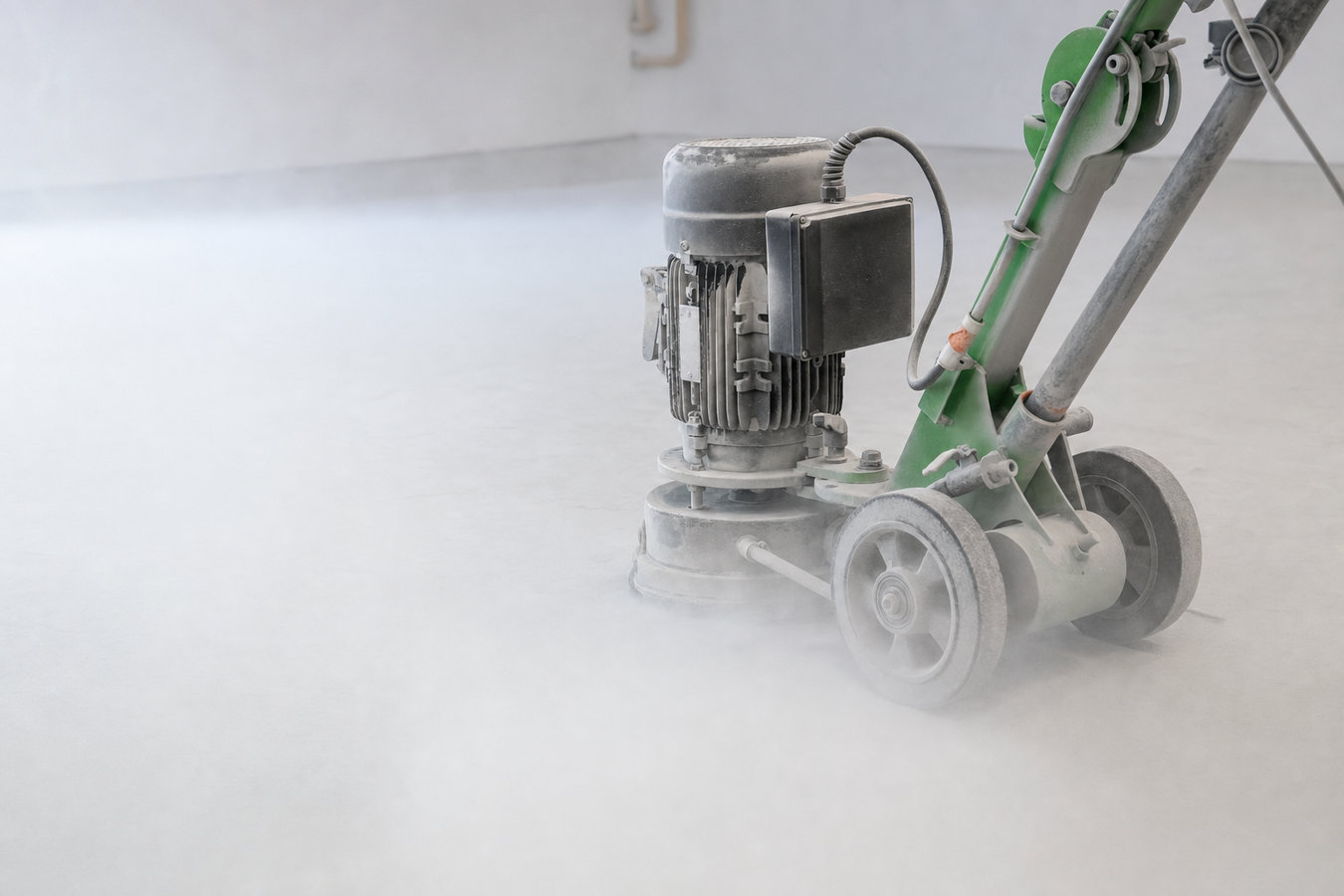
Old slabs broken up, hauled away, and the subbase assessed for moisture before we leave. Proper permits, dust control, and licensed disposal on every job.
Concrete floor stripping and removal in Parkland means breaking up an existing slab or surface layer with jackhammers and demolition equipment, loading the pieces into a truck or dumpster, and leaving a clean subbase ready for whatever comes next - most single-room or garage jobs take one full day from start to finish.
Parkland homeowners typically reach this point when patching has stopped working, a renovation requires a new slab height, or moisture under the floor has damaged everything installed on top. Because virtually all Parkland homes use slab-on-grade construction, the concrete is right at ground level with no buffer - which means moisture management after removal is a step that cannot be skipped. Homeowners who are removing a floor to start fresh often move directly to our epoxy floor coatings service once the subbase is clean and moisture-assessed.
The work is loud and dusty - a crew running jackhammers for most of a day is what this is. A responsible crew controls dust with wet-cutting methods and sealed doorways, and disposes of debris at a licensed Broward County facility. If a contractor seems unfamiliar with either of those requirements, that is a clear signal.
If you have filled the same crack two or three times and it keeps reopening, the slab itself has likely shifted beyond what surface repairs can fix. In Parkland, the sandy, moisture-rich soil beneath slabs can shift over time - especially after heavy rain seasons - causing the concrete to move and crack from below. At that point, patching just delays the inevitable.
Walk slowly across the floor and listen for a hollow sound when you tap it. That sound means the concrete has separated from the ground beneath it - a condition called delamination - and the slab is no longer fully supported. This is especially common in South Florida homes where moisture under the slab has eroded soil contact over time. A hollow slab needs to come out, not be patched.
If you are converting a garage to living space, adding a new epoxy or tile floor, or finishing an interior room, the existing concrete may need to be stripped to get the right height and a clean bond for the new material. A floor that is already cracked, stained, or uneven will not give you a good result no matter what you put on top of it.
A white, chalky film on your concrete floor - especially after rain or during Parkland's humid summer months - is a sign moisture is pushing up through the slab from below. Over time, that moisture destroys any coating, tile adhesive, or flooring installed on top. Removal and proper moisture barrier installation during replacement is the only reliable fix for this problem.
We break up and remove concrete slabs, surface layers, and failed coatings from garages, patios, pool decks, and interior spaces throughout Parkland. Every job includes dust control using wet-cutting methods and sealed work-area barriers, debris hauled to a licensed Broward County disposal facility, and a moisture assessment of the exposed subbase before we leave. That last step matters especially in Parkland - the area's shallow water table means moisture can rise quickly once a slab is removed, and whatever you install next will fail if the ground underneath is not assessed and addressed first.
For homeowners who are removing an old floor to install a fresh coating or resurfaced surface, we coordinate closely with our epoxy floor coatings and concrete resurfacing and overlays services so the sequence flows without gaps or delays. The same crew that handles removal can often handle the next surface as well, which reduces coordination complexity and keeps the project on a single timeline. For further guidance on safe demolition practices, the OSHA silica standard explains why dust control during concrete demolition is a safety requirement, not an optional add-on. Debris handling requirements for Broward County are outlined by Broward County Solid Waste and Recycling Services.
Suits homeowners whose concrete is structurally compromised, settling, or too damaged to repair - the entire slab comes out and the area is left clean for a new pour or flooring system.
Suits homeowners who need the top layer or a section removed while leaving the main slab intact - common for failed coating removal or localized damage that does not require full demolition.
Suits older Parkland homes whose slabs contain steel rebar or wire mesh - we assess for reinforcement during the site visit and include it in your written quote, so no surprises when the jackhammer hits metal.
Suits homeowners converting a garage, finishing a room, or remodeling a patio who need the existing concrete cleared before the next trade comes in - we coordinate timing to fit your renovation schedule.
Parkland sits at the western edge of Broward County, adjacent to the Everglades, where the water table is notoriously shallow - sometimes just a few feet below the surface. When a slab is removed, moisture can wick up from the ground almost immediately. A contractor without experience in this region may not think to assess for this, and the next floor you install will fail months later because of something that was visible and addressable right after the demo was done. Most Parkland homes were also built between 1990 and 2010 using slab-on-grade construction with steel reinforcement inside the concrete - standard for South Florida's soil conditions, but something every estimate needs to account for explicitly.
Parkland's HOA communities also have work-hour restrictions that affect when crews can arrive, where trucks can park, and how debris must be staged. We confirm your community's rules before booking the job so there are no issues with your neighbors or your board on the day of the work. Homeowners in Pompano Beach and Coral Springs face the same slab-on-grade conditions and moisture considerations and call us for the same reasons.
We ask about the area size, what the floor is used for, and whether there may be steel reinforcement inside the slab. Most Parkland homeowners hear back within one business day to schedule an on-site visit - no firm quote is given over the phone without seeing the floor first.
We measure the slab, check for reinforcement and access constraints, and confirm whether a permit is required for your specific project. You receive a written estimate that breaks out labor, equipment, and disposal separately so the numbers are easy to compare.
If a permit is required - which is common for full slab removals - we handle the application with the City of Parkland Building Division. This typically adds a few days to a couple of weeks before work begins. We confirm your HOA's work-hour rules during this step as well.
The crew breaks the slab, loads debris, and sweeps the area clean. Before they leave, we walk the subbase with you to confirm it looks right and assess it for moisture. If a permit was pulled, an inspection is scheduled - we coordinate it so you do not need to be present.
Free on-site estimate. Written quote with rebar removal included if applicable. Permit handled for you.
(754) 294-8165One of the most common homeowner complaints after concrete removal is a bill that came in higher because the contractor claimed to be surprised by steel inside the slab. We check for reinforcement during the site visit and include it in your written quote. If rebar or mesh is present, you know before we start, not when you see the invoice.
In Parkland's high-water-table environment, skipping a moisture check after slab removal is the fastest way to guarantee your next floor fails. We assess the exposed subbase before we leave and flag any conditions that need to be addressed before the next trade comes in. This step costs you nothing extra and protects everything that goes on top.
Florida law requires construction and demolition debris to be taken to licensed disposal facilities, and Broward County enforces this locally. We use permitted haulers and approved sites on every job and can provide documentation if you need it - so you are never on the hook for a contractor who cut disposal costs by dumping illegally.
Parkland communities have some of the most active HOAs in Broward County, with real rules about contractor work hours, truck parking, and debris staging. We confirm your community's requirements before we book the job so the crew shows up at the right time, parks in the right place, and does not put you in an awkward position with your board.
Concrete removal is the kind of job where what happens after the slab comes out matters as much as the demo itself. We treat the subbase assessment and the permit process as part of the job, not extras - because the floor you install next depends on both being done right.
Once the old slab is out and the subbase is clean and moisture-assessed, epoxy is one of the most durable and low-maintenance surfaces you can install.
Learn MoreIf the slab is structurally sound after removal of the surface layer, a resurfacing overlay gives you a fresh, finished surface without a full slab pour.
Learn MoreWe handle the permit, the dust control, and the disposal - call now and get a written estimate before any work begins.